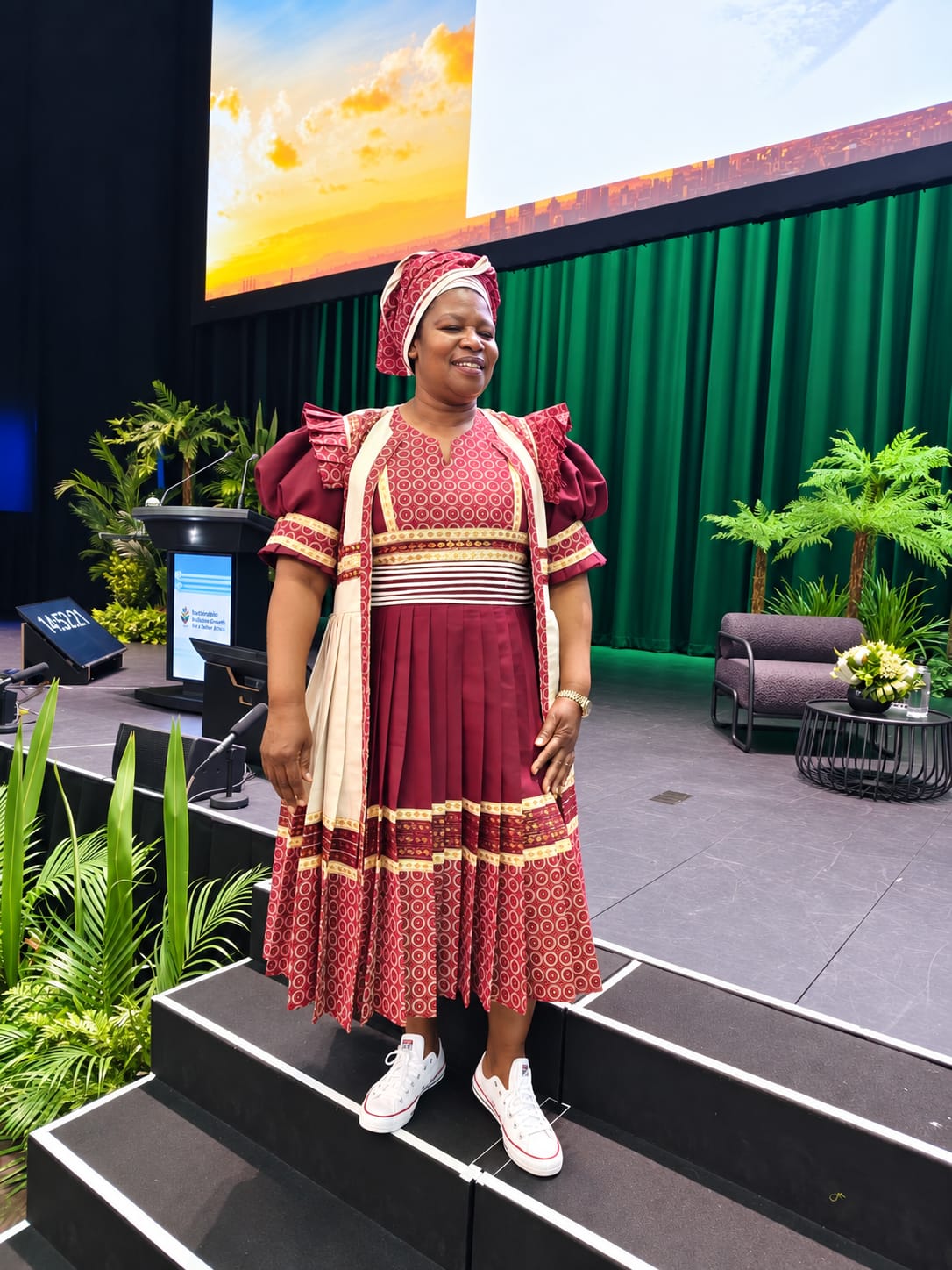
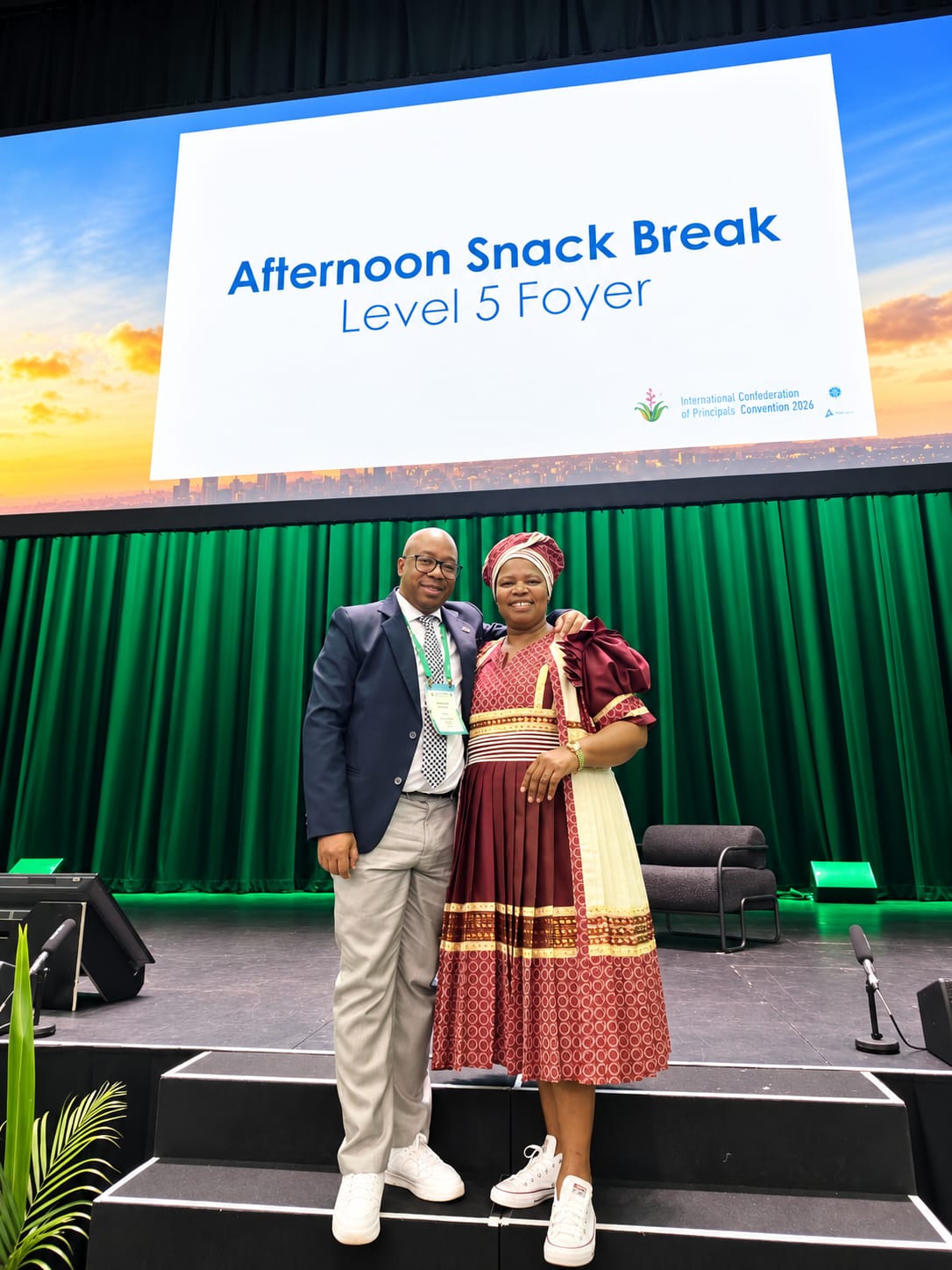
Gallery
REPORT ON THE INTERNATIONAL CONFEDERATION OF PRINCIPALS (ICP) CONFERENCE IN NEW ZEALAND
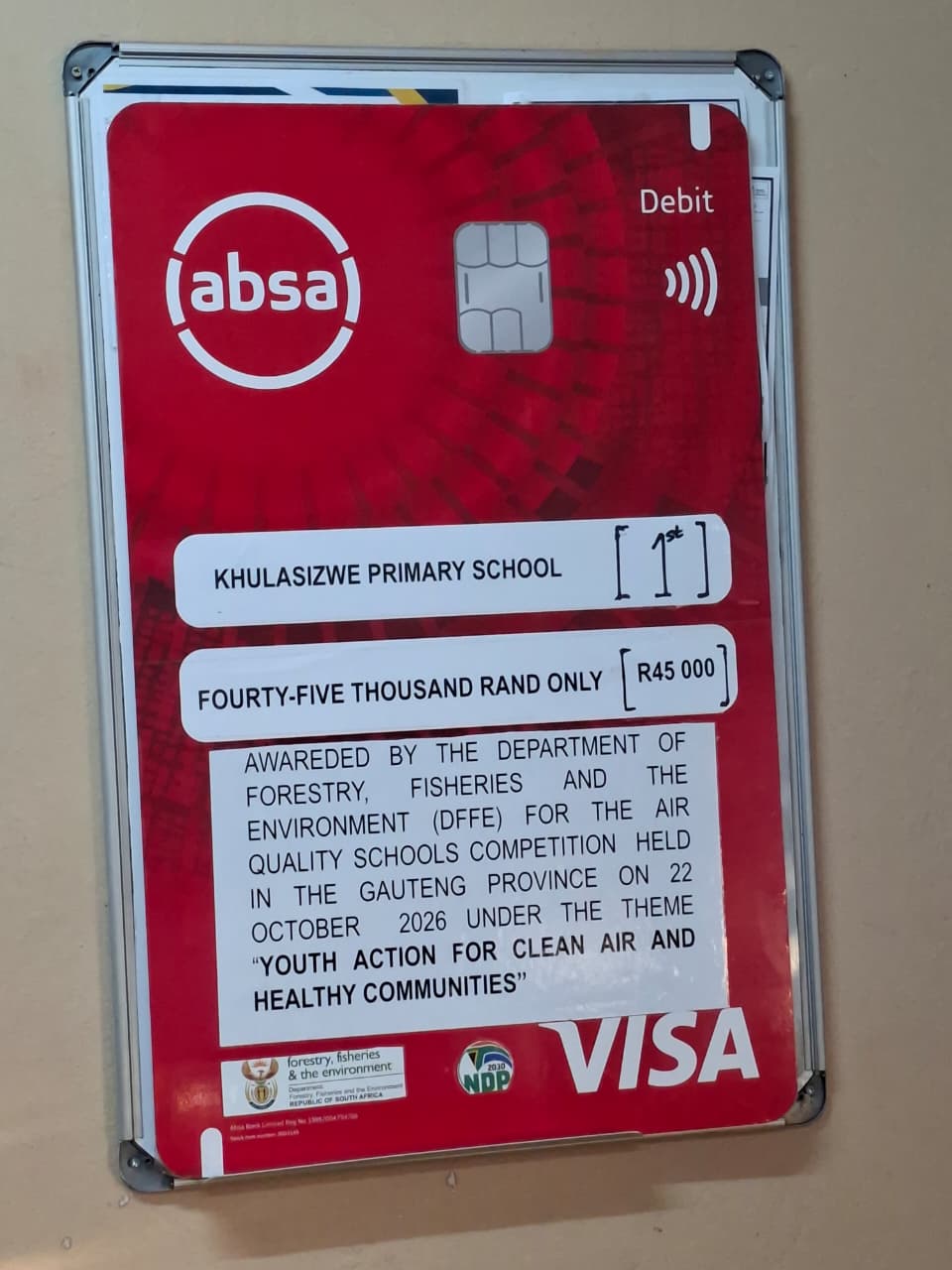
Department of Foresty, Fisheries and the Environment competition 1st place winners⭐🎉🎉💫💫💃🏽💃🏽💃🏽
Submitted by: LMM Lekalakala
Position: Principal, Khula Sizwe Primary School
Country: South Africa
Dates of Visit: 12–23 September 2026
1. Introduction
The International Confederation of Principals (ICP) Conference in New Zealand provided an enriching opportunity to engage with school leaders from different parts of the world, explore innovative educational practices, and reflect on leadership strategies that can strengthen school management and learner performance in South Africa.
The visit combined professional development, international school visits, cultural experiences, and networking opportunities. It also resulted in the establishment of a potential international partnership between Khula Sizwe Primary School and Otonga Primary School in New Zealand.
2. Travel and Arrival in New Zealand
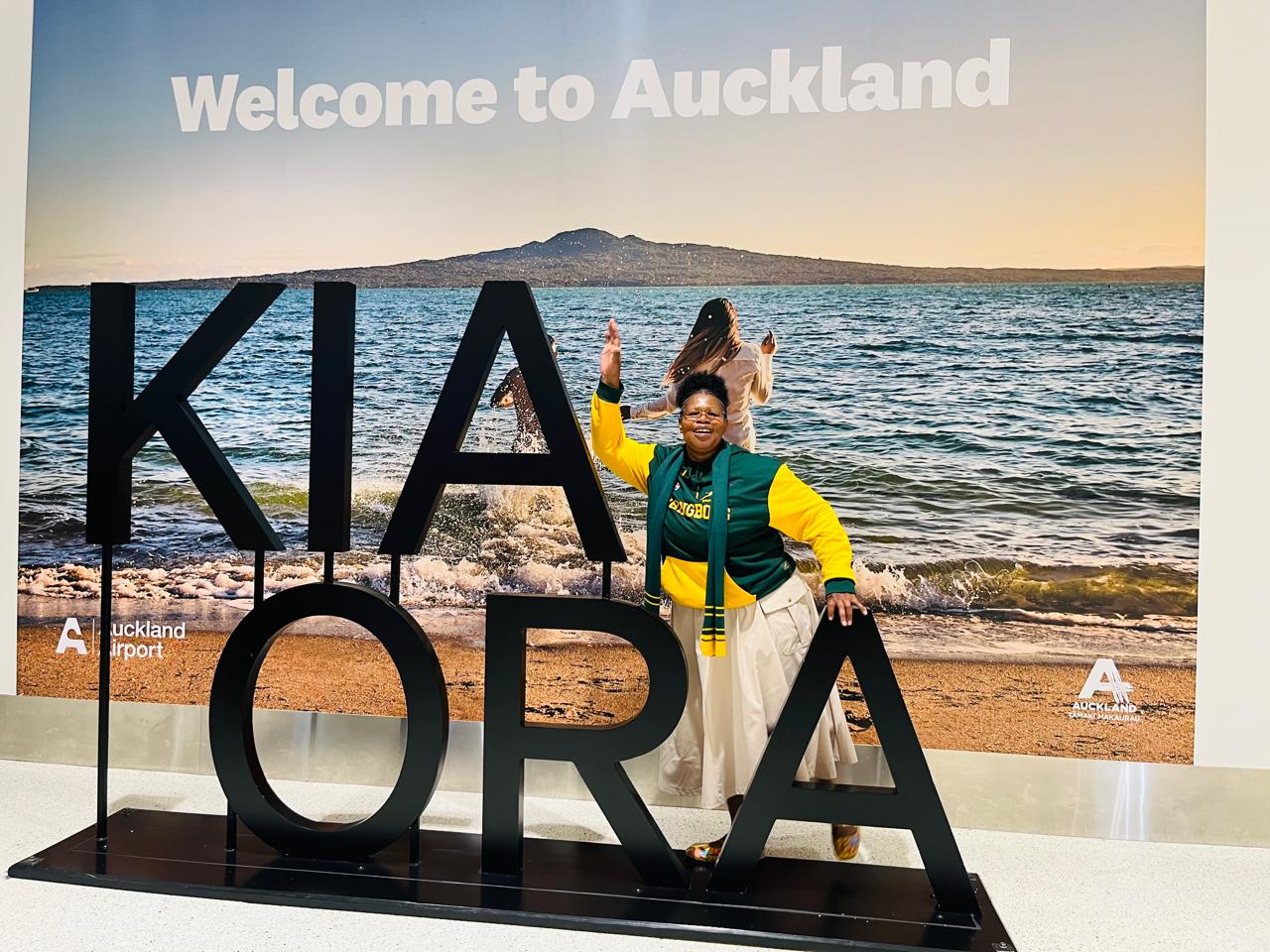
Our journey commenced with our arrival in Perth, Australia, on Saturday, 12 September 2026, followed by our onward journey to Auckland, New Zealand, where we arrived on Sunday, 13 September 2026.
Upon arrival, we participated in a guided tour that allowed us to familiarise ourselves with the surroundings and adjust to the different time zone. This was particularly helpful in managing jet lag and preparing us for the demanding conference programme.
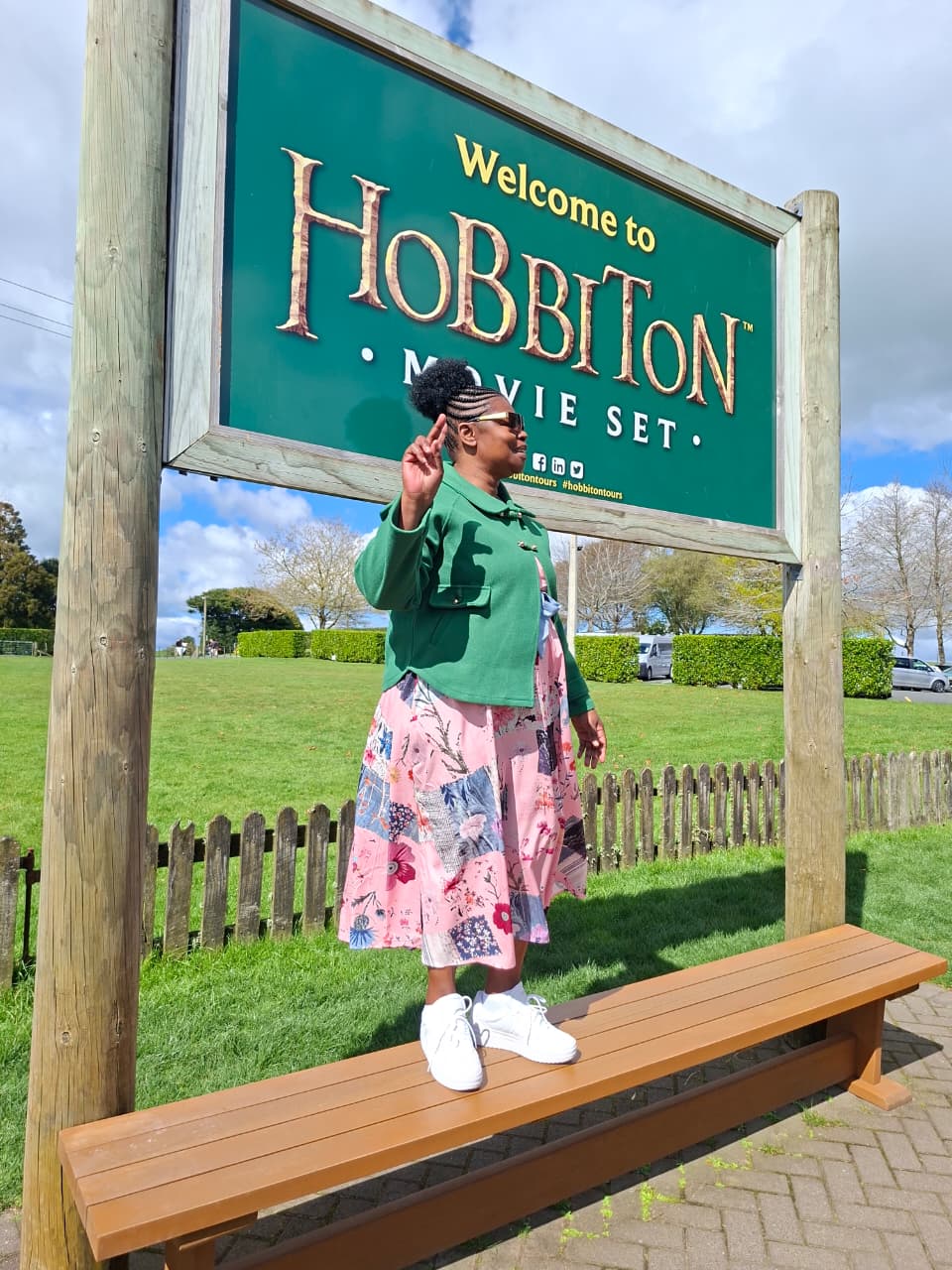
We also experienced the Hobbiton guided tour, which offered an opportunity to explore one of New Zealand’s renowned landmarks and appreciate the country’s natural beauty and tourism attractions.
3. International School Visits
Before the official opening of the conference, we participated in ICP-organised school visits. These visits were particularly insightful, as they exposed us to different approaches to teaching, learning, school management, and curriculum delivery.
The schools we visited demonstrated practices that differed in several respects from those commonly experienced in South African schools.
3.1 Primary School Education
One of the notable observations was the emphasis on Mathematics, Science, Coding and Robotics, and Language development in primary education. Learning through play was an important feature of the teaching and learning process, creating opportunities for learners to explore, discover, experiment, and develop problem-solving skills.
These approaches highlighted the importance of making learning practical, engaging, and relevant to the developmental needs of young learners.
3.2 High School Education
The high school curriculum provided another valuable learning experience. Learners generally studied six subjects, including areas such as Physical Education, Arts, and Technology.
The approach reflected a broader understanding of education, in which academic achievement is complemented by physical development, creativity, technological competence, and practical skills.
3.3 Vocational Education and Career Preparation
A particularly important observation was the emphasis on preparing learners for future employment opportunities. Vocational education and practical skills development were incorporated across schools, helping learners develop competencies that could support different career pathways.
This approach demonstrated the value of connecting education with the world of work and ensuring that learners are equipped with relevant knowledge and skills for their future.
4. The ICP Conference
The conference was a powerful professional development platform, bringing together school leaders to share experiences, reflect on leadership challenges, and explore strategies for improving educational outcomes.
The keynote speakers and presentations offered valuable insights into leadership, teamwork, organisational culture, resilience, and performance management.
One of the memorable contributions was that of Dave, associated with the All Blacks coaching environment, whose leadership insights highlighted the importance of building a strong team culture, maintaining high standards, developing individual potential, and creating a shared commitment to excellence.
The conference reinforced the understanding that effective leadership goes beyond managing daily operations. It requires a clear vision, consistent implementation, accountability, collaboration, and the ability to inspire others towards a common goal.
The lessons gained will be valuable in strengthening leadership practices at Khula Sizwe Primary School and supporting the continuous improvement of teaching and learning.
5. Culture, Identity and Tradition
New Zealand’s strong connection to tradition, identity, and cultural heritage was evident throughout the visit. The pride people take in their national identity and traditions was particularly striking.
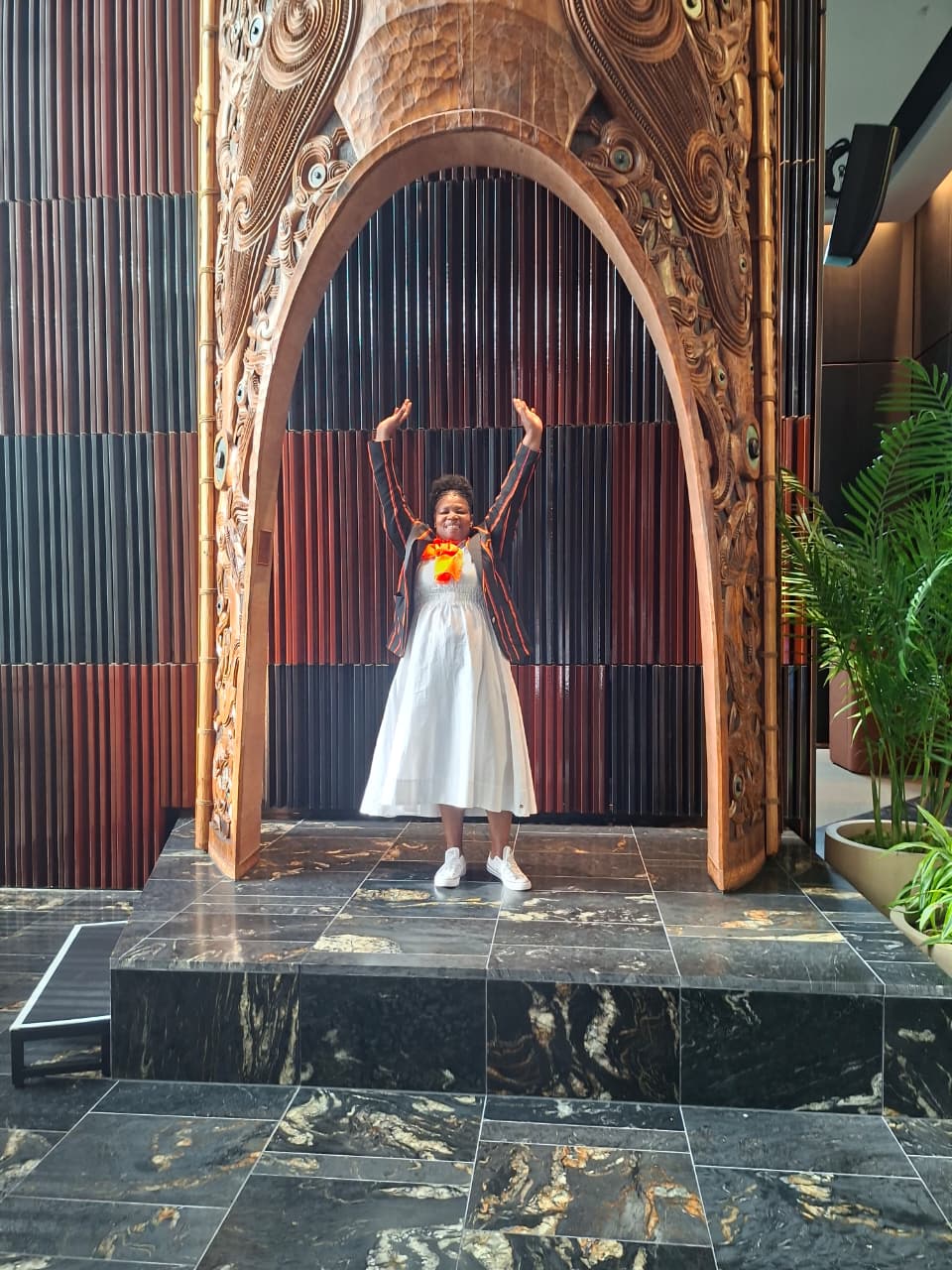
We also learned more about Māori culture and its history, including the impact of colonisation on Māori communities. The cultural experiences provided a deeper appreciation of the importance of preserving indigenous knowledge, respecting cultural diversity, and promoting a sense of belonging.
The village cultural experience was especially valuable in providing insight into Māori traditions, customs, and ways of life.
These experiences reminded us that schools have an important role to play in preserving cultural heritage while preparing learners to participate confidently in a changing world.
6. Post-Conference Educational and Cultural Experiences
Following the conference, we continued exploring educational and cultural opportunities in the Rotorua area.
6.1 Skyline Rotorua Gondola Experience
The Skyline Rotorua Gondola experience offered breathtaking views of the surrounding landscape. It was an opportunity to appreciate New Zealand’s natural beauty and reflect on the enriching experiences of the visit.
6.2 School Visits and International Partnership
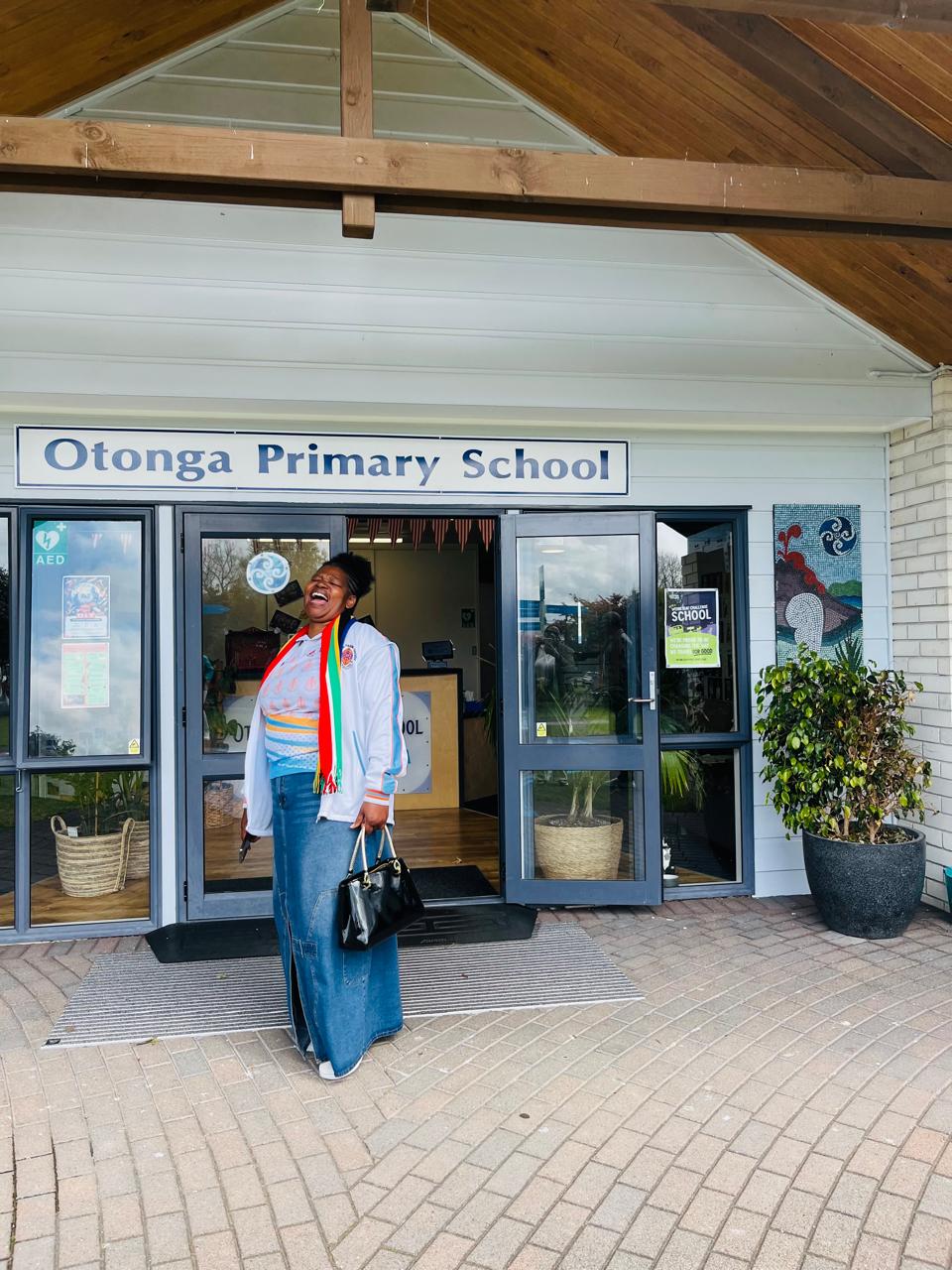
One of the most significant outcomes of the visit was the opportunity to visit additional schools and establish a prospective partner-school relationship with Otonga Primary School.
This partnership presents an opportunity for professional exchange between educators, the sharing of innovative teaching practices, cultural learning, and possible collaborative projects involving learners and teachers.
For Khula Sizwe Primary School, this relationship could open doors to international collaboration and expose both educators and learners to different educational approaches and perspectives.
6.3 Geothermal and Cultural Attractions
The visit also included experiences at a mud pool and the Lady Knox Geyser. These attractions provided insight into New Zealand’s distinctive geothermal environment and demonstrated how natural features can be used to support learning in Science, Geography, and environmental education.
The experiences were both educational and memorable, enriching our understanding of the country beyond the conference environment.
7. Key Lessons for Khula Sizwe Primary School
The visit offered several lessons that can inform school improvement and curriculum management:
1. Innovative teaching and learning: Strengthen practical, learner-centred approaches and incorporate learning through play where appropriate.
2. Coding, Robotics, and Technology: Continue exploring opportunities to integrate technology and problem-solving into teaching and learning.
3. Vocational awareness: Expose learners to different career pathways and practical skills from an early age.
4. Effective leadership: Apply leadership strategies that promote teamwork, accountability, high expectations, and a shared vision.
5. Cultural identity: Promote respect for diversity while preserving and celebrating our own South African heritage.
6. International collaboration: Develop meaningful engagement with Otonga Primary School to support the exchange of ideas, resources, and educational experiences.
7. Continuous improvement: Identify suitable practices from the New Zealand education system that can be adapted to the South African context.
It is important to recognise that educational practices cannot simply be transferred from one country to another. They must be considered in relation to our curriculum, resources, learner needs, and national education priorities.
8. Recommendations and Way Forward
In light of the experiences and lessons gained, the following actions are recommended:
– Share key conference lessons with the School Management Team and teaching staff.
– Identify practical strategies that can strengthen Mathematics, Science, Language, Coding and Robotics, and learner-centred teaching.
– Explore ways of integrating career awareness and practical skills into existing school activities.
– Initiate communication with Otonga Primary School to develop a structured partnership and identify achievable collaborative projects.
– Encourage teachers to reflect on their leadership and classroom practices in pursuit of improved learner performance.
– Incorporate relevant lessons from the visit into the school’s curriculum management and school improvement planning.
9. Conclusion
The International Confederation of Principals Conference in New Zealand was a valuable professional and personal experience. It broadened my understanding of international educational practices, strengthened my appreciation of effective leadership, and provided opportunities to establish professional relationships beyond South Africa.
The school visits demonstrated the value of practical learning, technological innovation, and vocational preparation, while the conference reinforced the importance of strong leadership and teamwork.
The opportunity to establish a prospective partnership with Otonga Primary School was a particularly meaningful outcome. I look forward to exploring ways in which this relationship can benefit Khula Sizwe Primary School and contribute to the professional growth of our educators and the holistic development of our learners.
The visit reaffirmed my belief that effective school leadership requires continuous learning, openness to innovation, collaboration, and a commitment to improving educational outcomes for every learner.
Submitted by:
LMM Lekalakala
Principal
Khula Sizwe Primary School
South Africa